Understanding Adjustable Bed Safety: A Caregiver’s Guide to Comfort and Compliance
A Vogue-worthy exploration of how to keep home care safe, comfortable, and compliant when using electric or adjustable beds. This guide blends practical steps, elegant design considerations, and timeless wisdom from notable figures across eras to illuminate best practices for caregivers and families in the UK.
Safety basics for adjustable beds
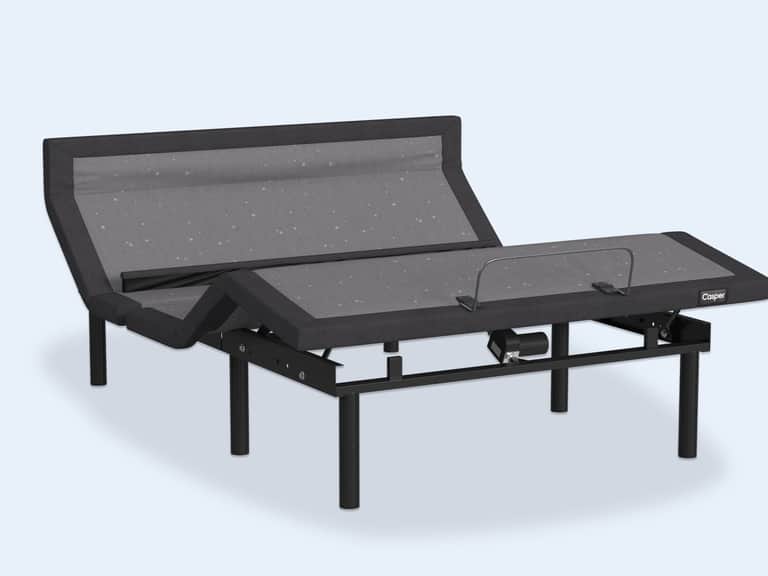
Adjustable beds, like the coveted Adjustable Base Max from Casper, offer remarkable versatility—unlimited head and foot adjustments, Pillow Tilt, lumbar support, and a restorative 4-zone or 3-level massage experience. Yet with great flexibility comes great responsibility. The essence of safety is to respect the bed’s capabilities while diligently mitigating risks in daily use.
Key safety considerations include understanding weight limits, ensuring motor reliability, and confirming that locking wheels or frame locks are functional. In hospital-grade bases, you often encounter stricter standards for lift capacity and fault monitoring. In home-use bases, the emphasis shifts toward simple maintenance, clear space around the bed, and easy-to-use controls for all ages and abilities.
- Always confirm the bed’s maximum lift capacity and compare it with the user’s weight plus any mattress and bedding. Exceeding limits can stress motors and compromise safety. If a user’s weight fluctuates or a caregiver is managing a bariatric scenario, verify the model’s weight rating and consider advising on softer, properly supported configurations.
- Listen for unusual sounds, jerky movement, or inconsistent articulation. Quiet motors paired with predictable presets are signs of a well-maintained system. Schedule professional servicing when you detect irregularities, odd pauses, or delayed responses.
- Engage wheels and locking mechanisms as needed to prevent unwanted movement when repositioning or transferring a person. Where wheels are used, ensure floor surfaces are clean and free of debris to maintain stability.
Caregiver checks: daily routines and fault checks
A well-practiced caregiver routine not only improves safety but also elevates comfort. The following checks help maintain daily readiness and reduce the risk of accidents:
- Route cords away from walkways and heat sources. Use cord clips or channels to prevent tripping hazards, especially around high-traffic areas like bedrooms and corridors.
- Position remote controls and bed-side buttons within easy reach of the bed occupant. If a resident has limited dexterity, consider large-button remotes or wall-mounted controllers with clear labeling.
- Maintain a generous radius around the bed. Remove clutter, ensure under-bed clearance, and keep pathways unobstructed for safe assistance and transfers.
- Teach the user how to reach and use presets (Zero Gravity, Flat, Anti-Snore, Lounge) so that a quick adjustment is possible without confusion during a moment of discomfort or breathlessness.
Installation basics: setting up safely
A solid installation is the foundation of safe operation. While many adjustable bed bases are designed to drop into existing frames, any installation should observe a few core principles to ensure long-term reliability and caregiver ease:
- Confirm that the base is compatible with your existing bed frame or foundation. Some models are “drop-in” and others require mounting to a platform or pedestal.
- Check that the bed is level from side to side and front to back. A misaligned base can cause edge-sagging of the mattress and uneven wear over time.
- Use a dedicated outlet, ensure the power strip is surge-protected, and avoid daisy-chaining outlets. If you’re in the UK, ensure that the plug and any adapters conform to local electrical standards.
- Before testing positioning features, observe how cables move as the head and foot articulate. Some models have channels to keep cables contained—use them to prevent pinching or snagging during operation.
Maintenance tips: keeping comfort in peak form
Maintenance is not a luxury; it’s a practical discipline that preserves safety, performance, and the bed’s lifespan. The following routine helps reduce the likelihood of mechanical failure and maintains a pristine sleep surface for years to come.
- Monthly checks for loose bolts, worn gears, or unusual noises. Tighten if necessary, and replace worn components with manufacturer-approved parts.
- Ensure your mattress remains compatible with motorized bases. Some mattresses require flexible edges or specific tension to prevent interference with motor movement or edge squeeze.
- Avoid harsh solvents near electronics. Use a damp cloth to wipe frames and remote controls. Consider a bed protector to reduce stains that could affect electronics and fabrics.
- Pair the base with a mattress that supports proper spinal alignment. For individuals with pressure ulcer risks or GERD, discuss with a clinician the optimal elevation strategies and frequent repositioning schedules aligned with bed technology.
Safety standards and responsibility: UK context
In the UK, hospital-grade safety and home-care safety converge on a few common standards. While a consumer adjustable bed may not be a clinical device, caregiver practices must reflect evidence-informed care. Always consult with healthcare professionals regarding specific health conditions and the suitability of an adjustable base for your patient. Additionally, adhere to electrical safety guidance from recognized UK health authorities and consumer protection standards when selecting equipment or performing maintenance.
A few practical checks relevant to UK households include verifying that:
- The bed frame and base are installed on a firm, level surface to prevent tipping or wobble.
- Electrical cords are routed to minimize exposure to foot traffic and potential tripping hazards.
- Remote controls have unrestricted battery life and easy access to safety features like child locks if needed.
Throughout history, great minds and designers have imagined the interface between the human body and resting machines. Here are three influential figures from different eras who, in their own ways, remind us that comfort, safety, and intelligent design are timeless priorities.
-
Hypatia of Alexandria (approx. 370–415 CE): A beacon of knowledge and inquiry, Hypatia’s legacy embodies the principle of thoughtful exploration. While centuries removed from adjustable beds, her spirit invites caregivers to approach care technology with curiosity, rigor, and ethical responsibility. In modern care, this translates to evaluating who benefits from technology, how information is conveyed, and ensuring methods respect dignity and autonomy.
-
Florence Nightingale (1820–1910): The founder of modern nursing—her emphasis on cleanliness, safety, and evidence-based practice continues to shape how caregivers adopt new devices. Reading her work through the lens of today, we value not only the device’s capabilities but also user education, standardized care routines, and the ethical implications of home health tech.
-
Ray Eames (1912–1988) and Charles Eames (1907–1978): Visionaries behind ergonomic, human-centric design. Their work underlines the importance of furniture that harmonizes form with function. In the context of adjustable beds, their influence can be seen in thoughtful frame geometry, edge support, and the elegance of controls that feel intuitive to users of all ages.
Product spotlight: the Adjustable Base Max in a care setting
In this guide, we reference a product that embodies modern comfort with clinical safety at the core. The Adjustable Base Max offers unlimited head and foot adjustments, Pillow Tilt, lumbar support, and a 3-level massage. It features adaptive lighting to guide you at night and USB ports for easy device charging. Its compatibility with a wide range of bed frames makes it a versatile upgrade for homes, care homes, and clinics alike.
Key features include:
- Unlimited head and foot adjustments with precise control
- Pillow Tilt for ergonomic neck support
- 3-level massage for targeted relief
- Adaptive lighting to assist movement and navigation
- USB ports and wall-aligning technology to keep essentials within reach
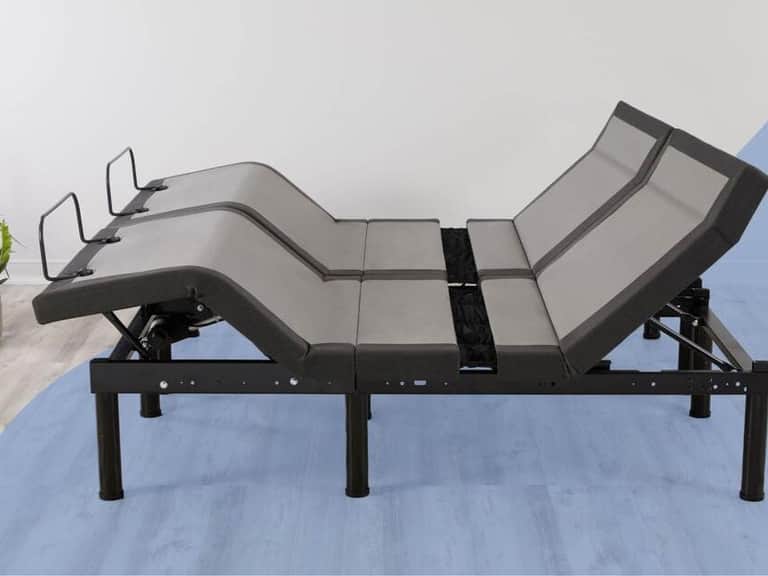
- Split configuration for independent control on each side
Note: When selecting any adjustable bed, ensure it aligns with user needs, space constraints, and care requirements. For individuals with cognitive impairment or limited dexterity, consider simplified controls and the presence of caregiver-assisted presets to reduce risk during night-time repositioning.
Product display: Adjustable Base Max (Casper) — see product resources in the sidebar for visuals and purchase-like details. The base is designed to drop into most frames but can also stand alone with a headboard, making it a flexible solution for evolving care environments.
FAQs and glossary
This section equips caregivers with quick references to common terms and practical questions that arise when managing adjustable beds in home settings.
- A bed foundation that allows the head and/or feet to adjust independently to optimize comfort, pressure relief, and alignment.
- A safety feature that prevents the bed from moving once engaged, often essential during transfers or repositioning.
- A compact base height that preserves mattress accessibility and under-bed storage opportunities.
- Structural reinforcement at the mattress edges to prevent sagging when sitting at the edge or getting in and out of bed.
- A feature in some advanced bases that adjusts position automatically to reduce snoring or sleep-disordered breathing.
Resources for caregivers
Non-commercial, evidence-led resources support safe home care. Consider consulting healthcare professionals for condition-specific guidance, and rely on regulatory bodies for electrical safety and equipment standards. Here are some helpful categories of resources to explore:
- Home care guidelines and checklists for bed safety
- Standards and compliance documents from UK health and safety authorities
- Caregiver education materials on posture, pressure management, and safe transfers
- Maintenance schedules and service guidance from manufacturers
Closing notes: living with comfort and clarity
Electric and adjustable beds invite a new level of comfort, autonomy, and care. The Vogue voice in care is anchored in elegance and empathy—delivering information with calm assurance and a sense of refined practicality. By combining safety-minded practices with sophisticated design, caregivers can offer enduring comfort without compromising safety or dignity.
As you consider a healthier sleep environment, remember the stately balance between form and function. The right bed base, used with thoughtful routines and clear communication, becomes more than furniture—it becomes a compassionate partner in daily life.