Foam mattresses are constructed from layered foam materials designed to provide contouring support, pressure relief, and motion isolation. These mattresses typically combine memory foam, polyurethane foam, and high-density foams to create a balance between comfort and durability. They are suitable for diverse sleeping positions and can be tailored to various firmness preferences within the foam category.
In foam mattresses, resilience and zoning play a key role in supporting the spine and hips throughout the night. Memory foam contracts with body heat to relieve pressure points, while transition foams offer gradual firmness changes. This combination can enhance alignment, reduce tossing, and accommodate different body types without sacrificing overall stability.
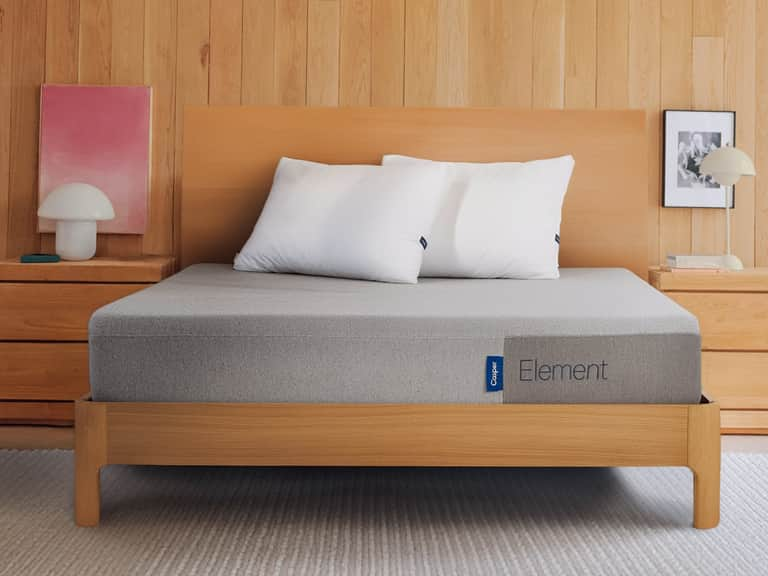
The Element Mattress exemplifies many foam-focused design principles, featuring multiple foam layers that work together to distribute weight evenly. Its responsive feel supports movement without excessive sink, and its breathable cover promotes air circulation. For caregivers and sleepers using adjustable beds, foam’s adaptability complements various sleep configurations.
Key features to consider include density, contouring depth, and open-cell construction, which influence comfort, durability, and temperature regulation. Organic and natural foam options may offer lower exposure to additives, aligning with preferences for bedding that emphasizes health considerations alongside performance in a natural latex organic mattresses context.
Practical uses of foam mattresses span guest rooms, bedrooms with space customization, and setups requiring quiet operation during sleep. By understanding firmness levels, transition zones, and cover materials, users can assess suitability for pressure relief, back support, and compatibility with adjustable beds and other enclosing systems.
 Mattresses