Innerspring mattresses are a traditional choice built around interconnected coils that provide core support and pressure distribution. This construction helps align the spine while offering varying levels of bounce and contouring. When selecting an innerspring, consider coil count, gauge, and design (e.g., pocketed vs. tied coils) to understand comfort and durability outcomes.
Key features often include a combination of spring support with comfortable top layers, such as foam, latex, or padding for cushioning. The balance between the coil system and the comfort layers determines overall feel—ranging from firmer back-support to softer, more conforming surfaces. Durability and edge support are important considerations for long-term performance in bedrooms.
For diverse sleepers, innerspring mattresses can accommodate different preferences through variations in coil configuration, zoning, and height. Zoned or individually wrapped coils may offer targeted support for the hips, shoulders, and lumbar region, promoting better alignment. Understanding how these elements interact with sleeping positions can guide effective mattress choice and usability.
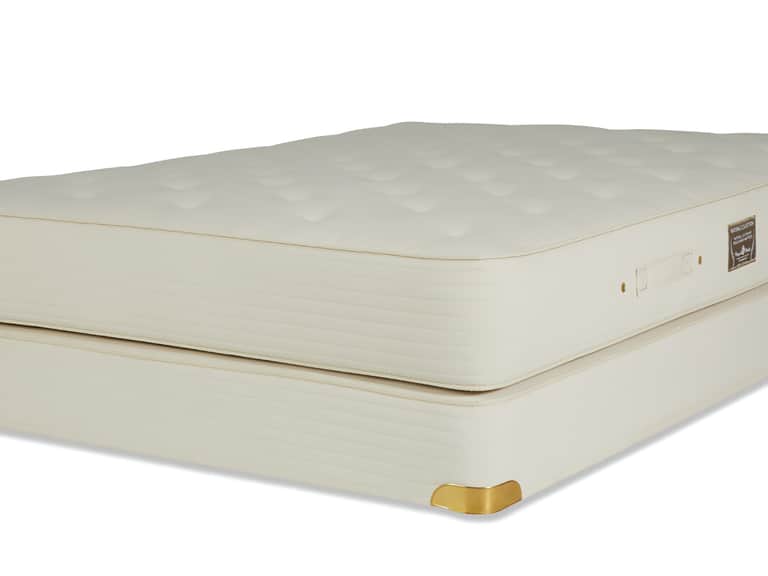
The Royal-Pedic Natural Cotton Mattress with Wool Wrap exemplifies a high-quality innerspring platform paired with natural materials. Its wool wrap contributes moisture management and temperature regulation, while the cotton fabric enhances breathability. This combination supports comfort across seasons, supporting restful sleep and helping sustain mattress integrity over time.
In educational contexts, innerspring mattresses are assessed for compatibility with toppers, latex mattress toppers, and adjustable bed bases. Bedding ecosystems benefit from a clear view of how coil density, edge stability, and surface softness influence compatibility with adjustable configurations and additional layering, ensuring functional versatility in diverse sleep environments.
 Innerspring Mattresses